Exploring the Complexities of Green Tourism Challenges Through Vector Infographics
Understanding the Impact of Green Tourism on National Parks and Wildlife
Green tourism, while promoting sustainable travel, faces significant challenges that can inadvertently harm national parks and wildlife. These issues are often complex and multifaceted, requiring a nuanced approach to address them effectively. The Green Tourism Challenges Vector infographic template provides a visual and structured way to understand these challenges, making it an invaluable tool for stakeholders in the tourism industry.
The Importance of Visual Data in Green Tourism
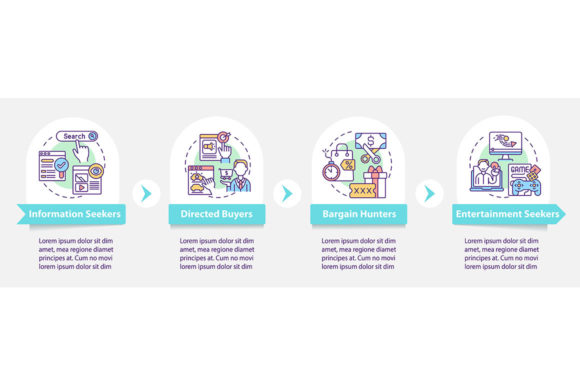
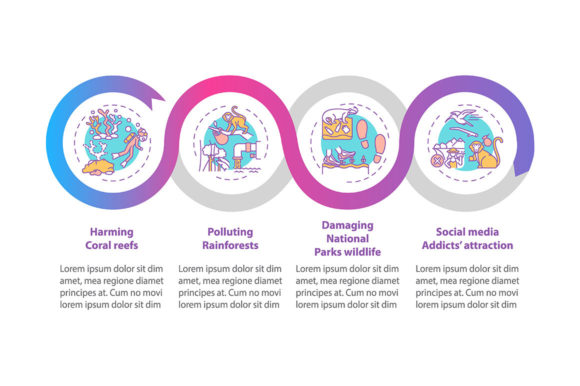
Data visualization is crucial in highlighting the key areas where green tourism can go wrong. The Green Tourism Challenges Vector infographic uses a 4-step process timeline chart to illustrate the workflow and potential pitfalls. This linear approach, enhanced with icons, makes it easier for professionals, consumers, and educators to grasp the complexities involved.
Step 1: Identifying Environmental Hotspots
The first step in the Green Tourism Challenges Vector is identifying environmental hotspots. These are areas within national parks and wildlife environments that are particularly sensitive to human activity. By pinpointing these locations, stakeholders can better manage visitor flow and activities to minimize impact.
Step 2: Assessing Visitor Impact
Once hotspots are identified, the next step is to assess the impact of visitors. This involves collecting data on foot traffic, waste generation, and other forms of environmental stress. The Green Tourism Challenges Vector infographic uses this data to create a clear picture of how tourism affects these natural settings.
Step 3: Implementing Sustainable Practices
With a clear understanding of the hotspots and their visitor impacts, the third step is to implement sustainable practices. This could include setting up recycling stations, limiting the number of visitors, or providing educational materials to promote responsible behavior. The Green Tourism Challenges Vector infographic highlights various strategies that can be employed to mitigate negative effects.
Step 4: Monitoring and Continuous Improvement
The final step is continuous monitoring and improvement. This involves regularly assessing the effectiveness of the implemented practices and making adjustments as necessary. The Green Tourism Challenges Vector infographic emphasizes the importance of this ongoing process to ensure that green tourism remains truly sustainable.
Practical Applications and Considerations
The Green Tourism Challenges Vector infographic is not just a theoretical tool; it has practical applications in the real world. For instance, park managers can use this infographic to plan and execute conservation efforts more effectively. Educators can incorporate it into their curriculum to teach students about the importance of sustainable tourism. Business owners in the tourism sector can also benefit by using the infographic to guide their operations and marketing strategies.
Advantages of Using the Green Tourism Challenges Vector
- Clarity and Simplicity: The infographic presents complex information in a simple, easy-to-understand format.
- Comprehensive Coverage: It covers all critical aspects of green tourism challenges, from identification to continuous improvement.
- Versatile Use: Suitable for a wide range of audiences, including professionals, consumers, and educators.
- Visual Appeal: The use of linear icons and a clean layout makes the infographic visually engaging and memorable.
Considerations for Implementation
While the Green Tourism Challenges Vector infographic is a powerful tool, its effectiveness depends on how it is used. Stakeholders must be committed to the principles of sustainable tourism and willing to make the necessary changes. Additionally, the infographic should be updated regularly to reflect new data and emerging trends in green tourism.
Conclusion
The Green Tourism Challenges Vector infographic template is a valuable resource for anyone involved in the tourism industry. By providing a clear and structured way to understand and address the challenges of green tourism, it helps to protect our national parks and wildlife environments. Whether you are a professional, consumer, creator, educator, researcher, hobbyist, or business owner, this infographic can help you make a positive impact on the environment and promote sustainable tourism practices.