Exploring Future Office Design Tendencies Vector for Wellness-Focused Workspaces
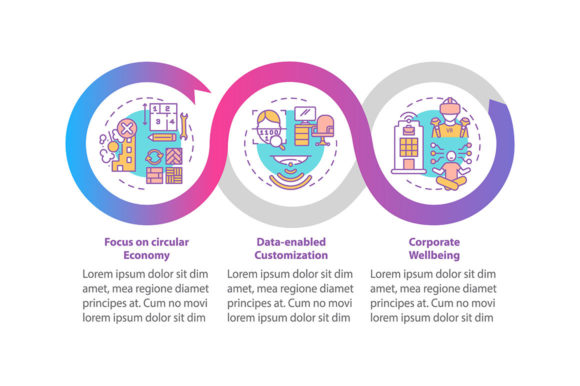
Future Office Design Tendencies Vector is a comprehensive infographic template designed to help businesses and designers visualize and plan the future of office spaces. This template emphasizes wellness, incorporating elements that promote a healthy and productive work environment. It includes data visualization, process timelines, and workflow layouts with linear icons, making it an invaluable tool for anyone looking to create a modern, wellness-focused office.
Why Consider Future Office Design Tendencies Vector?
The Future Office Design Tendencies Vector is particularly useful for those who are interested in creating an office space that not only looks good but also enhances the well-being of its occupants. Here are some reasons why you might be interested in this template:
- Wellness-Centric Design: The template focuses on integrating wellness elements such as natural light, greenery, and ergonomic furniture, which can improve employee health and productivity.
- Data-Driven Insights: It provides a structured way to present and analyze data, helping you make informed decisions about your office design.
- Visual Clarity: The use of linear icons and clear, concise visuals makes it easy to understand and communicate complex design concepts.
- Versatile Formats: The ZIP file contains multiple formats (EPS, JPG, PNG, SVG, AI), allowing for easy customization and integration into various projects.
Benefits and Considerations
Using the Future Office Design Tendencies Vector comes with several benefits, but it's also important to consider potential tradeoffs and expectations:
Benefits
- Enhanced Employee Well-Being: By focusing on wellness, the template helps create an environment that supports physical and mental health, leading to higher job satisfaction and retention.
- Improved Productivity: A well-designed office can boost productivity by providing a comfortable and inspiring workspace.
- Professional Presentation: The high-quality graphics and clean layout make it ideal for professional presentations and reports.
Considerations
- Customization Effort: While the template is versatile, customizing it to fit specific needs may require some design skills and time.
- Cost Implications: Implementing the design changes suggested by the template may involve additional costs for new furniture, lighting, and other elements.
- Change Management: Transitioning to a new office design can be disruptive, so careful planning and communication are essential to manage the change effectively.
Situational Fit
The Future Office Design Tendencies Vector is a strong fit for certain situations and may not be the best choice in others. Here’s how to determine if it aligns with your goals and needs:
Strong Fit Situations
- New Office Buildouts: If you are starting from scratch or completely redesigning an existing space, this template can provide a solid foundation and direction.
- Health and Wellness Initiatives: For organizations prioritizing employee well-being, the template offers a structured approach to incorporating wellness elements into the office design.
- Data-Driven Decisions: If you rely on data to make design choices, the template’s emphasis on data visualization can be very beneficial.
Alternatives to Consider
- Smaller Budgets: If budget constraints are a significant factor, simpler, more cost-effective solutions may be more practical. Consider using basic design tools or consulting with a local designer for a more tailored and affordable approach.
- Minimal Changes: If you are only looking to make minor adjustments to your current office setup, a full template might be overkill. Instead, focus on small, impactful changes like adding plants or improving lighting.
- Specialized Needs: If your office has unique requirements, such as specialized equipment or specific industry standards, a more customized solution may be necessary. In such cases, working with a professional designer or consultant can be more effective.
Practical Decision-Making Insights
To help you decide whether the Future Office Design Tendencies Vector is right for your project, consider the following insights:
- Assess Your Goals: Clearly define what you want to achieve with your office design. Is it primarily about enhancing wellness, improving productivity, or both? Understanding your goals will help you determine if the template aligns with your vision.
- Evaluate Your Resources: Consider the time, budget, and design skills available to you. The template requires some level of customization, so ensure you have the resources to implement it effectively.
- Engage Stakeholders: Involve key stakeholders, including employees, in the decision-making process. Gather their input and feedback to ensure the design meets the needs and preferences of those who will be using the space.
- Pilot Test Changes: Before fully implementing the design, consider piloting a few changes to see how they are received. This can help you make any necessary adjustments before committing to a full-scale redesign.
By carefully considering these factors, you can make a well-informed decision about whether the Future Office Design Tendencies Vector is the right tool for your office design project. Prioritizing wellness and using a structured, data-driven approach can lead to a more productive and enjoyable work environment for everyone involved.