Data Analysis Analytic Collection Icons: A Visual Toolkit for Data Insights
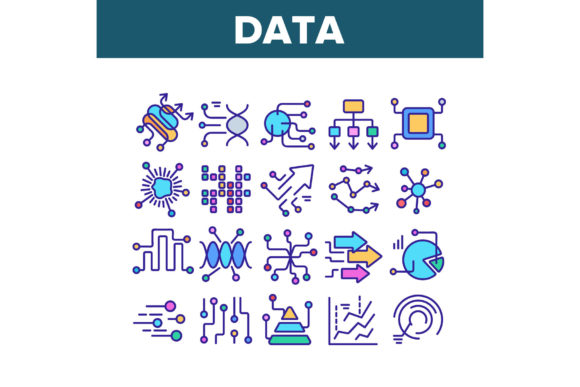
Imagine a world where data is not just numbers and charts, but a vivid, interactive experience. Data Analysis Analytic Collection Icons make this vision a reality. These icons are not just pretty pictures; they are powerful tools that help you visualize and understand complex data in a way that's both intuitive and engaging.
What Are Data Analysis Analytic Collection Icons?
Data Analysis Analytic Collection Icons are a set of vector-based pictograms designed to represent various aspects of data analysis, from collection and processing to visualization and interpretation. These icons come in multiple formats (JPG, EPS, AI, PSD, PNG, AI) and are perfect for creating infographics, reports, and presentations that need a touch of visual clarity.
Real-World Applications
These icons are incredibly versatile and can be used across a wide range of industries and scenarios. Here’s how different users can benefit from them:
Business Analysts
For business analysts, these icons can transform raw data into compelling stories. Whether you're presenting quarterly sales trends or market research findings, the right icon can highlight key points and make your data more relatable. For example, using a pie chart icon to show market share distribution can make the information more digestible and memorable.
Educators and Trainers
Educators and trainers can use these icons to create engaging learning materials. When teaching concepts like data collection methods or statistical analysis, a well-placed icon can help students grasp the material more effectively. For instance, an icon of a computer digital processor microchip can illustrate the concept of data processing in a visually appealing way.
Marketing Professionals
Marketing professionals can leverage these icons to create visually stunning and informative marketing collateral. Whether it's a social media post, a blog article, or a presentation, these icons can add a professional and polished look to your content. For example, using a line graph icon to show the growth of a campaign's reach can make the data more impactful and easier to understand.
Industries and Purposes
The applications of Data Analysis Analytic Collection Icons span across various industries, each with its unique needs and challenges.
Healthcare
In the healthcare industry, these icons can be used to present patient data, treatment outcomes, and public health statistics. For instance, a hospital might use a bar chart icon to compare the effectiveness of two different treatments, making the information clear and accessible to both medical professionals and patients.
Finance
Financial institutions can use these icons to create reports and dashboards that provide a clear overview of financial performance. An icon representing a stock market trend can help investors quickly understand the direction of the market, while a pie chart icon can break down the allocation of a portfolio.
Technology
In the technology sector, these icons can be used to explain complex processes and systems. For example, a software company might use a flowchart icon to illustrate the steps in a data processing pipeline, helping clients and stakeholders understand the system's architecture and functionality.
Practical Examples and Observations
Let's dive into some practical examples to see how these icons can be used in real-world situations.
- Market Research Report: A market research firm uses a set of icons to create a comprehensive report on consumer behavior. The icons include a magnifying glass for data collection, a bar chart for survey results, and a lightbulb for insights. This makes the report more engaging and easier to navigate.
- Project Management Dashboard: A project manager uses a dashboard with icons to track the progress of a software development project. Icons such as a calendar for timelines, a checklist for tasks, and a graph for performance metrics provide a clear and concise overview of the project's status.
- Academic Presentation: A university professor uses icons to enhance a presentation on data analytics. Icons like a pie chart for data distribution, a line graph for trends, and a scatter plot for correlations help students better understand and remember the key concepts.
Considerations Before Using Data Analysis Analytic Collection Icons
While these icons are incredibly useful, there are a few considerations to keep in mind before using them:
- Audience Relevance: Ensure that the icons you choose are relevant to your audience. Different industries and audiences may have different preferences and expectations, so it's important to select icons that resonate with them.
- Consistency: Use a consistent style and color scheme throughout your document or presentation. This helps maintain a professional and cohesive look, making your content more appealing and easier to follow.
- Clarity: Make sure that the icons you use clearly represent the data and concepts you are trying to convey. Avoid overly complex or ambiguous icons that might confuse your audience.
Strengths and Limitations
The strengths of Data Analysis Analytic Collection Icons lie in their versatility, ease of use, and ability to make data more engaging and understandable. However, there are also some limitations to consider:
Strengths:
- Versatility: These icons can be used in a wide range of documents, presentations, and digital platforms, making them a valuable tool for various purposes.
- Visual Clarity: Icons help to break down complex data into simple, visually appealing elements, making it easier for your audience to grasp the information.
- Professional Look: High-quality, professionally designed icons add a polished and credible look to your content, enhancing its overall impact.
Limitations:
- Overuse: Overusing icons can make your content cluttered and overwhelming. It's important to use them judiciously and only when they add value to the information being presented.
- Interpretation: While icons can be very effective, there is always a risk that they might be misinterpreted. It's crucial to ensure that the icons you use are clear and unambiguous.
By understanding the strengths and limitations of Data Analysis Analytic Collection Icons, you can use them more effectively to enhance your data-driven communications and make a lasting impact on your audience.